Module 1.1: Cholera: Disease and Epidemiology
Introduction to Module 1.1
Welcome! In Module 1.1, we will talk about the disease cholera; the species Vibrio cholerae; disease caused by epidemic and non-epidemic lineages of V. cholerae; and briefly, mention vaccines for cholera. This module may take you roughly one hour to work through (maybe a bit more or less than that, depending on your own pace). While we will explain terms as we go along, we have also included a glossary of key terms for Module 1.
In later modules of this course, you will learn how to carry out bioinformatics analyses using Vibriowatch, as well as other bioinformatics tools. If you already have cholera genomic data to analyse, and want to get going quickly, you may also be interested in our Vibriowatch tutorial.
Acute Watery Diarrhoea, the Disease Cholera and its Epidemiology
Cholera is a disease characterised by acute watery diarrhoea (AWD), leading to rapidly progressing dehydration and shock (Sack et al 2004). A distinctive feature of cholera is painless purging of voluminous stools resembling rice-water, known as ‘rice-water stool’ (Sack et al 2004). If you are interested in how cholera is diagnosed, the World Health Organisation (WHO) provides guidance and precise definitions of what they consider ‘a suspected cholera case’ and ‘a confirmed cholera case’ (see WHO 2023).
Cholera is an infection caused by a bacterium called Vibrio cholerae, a curved Gram-negative rod-shaped bacterium (Figure 1). It is often described as being ‘comma-shaped’ because of its curved shape. V. cholerae has a flagellum (a tail like structure) at one pole, which it uses to swim through liquids. The genus Vibrio belongs to the Vibrionaceae, a family in the class Gammaproteobacteria that includes many bacteria found in marine niches (Boyd et al 2015).
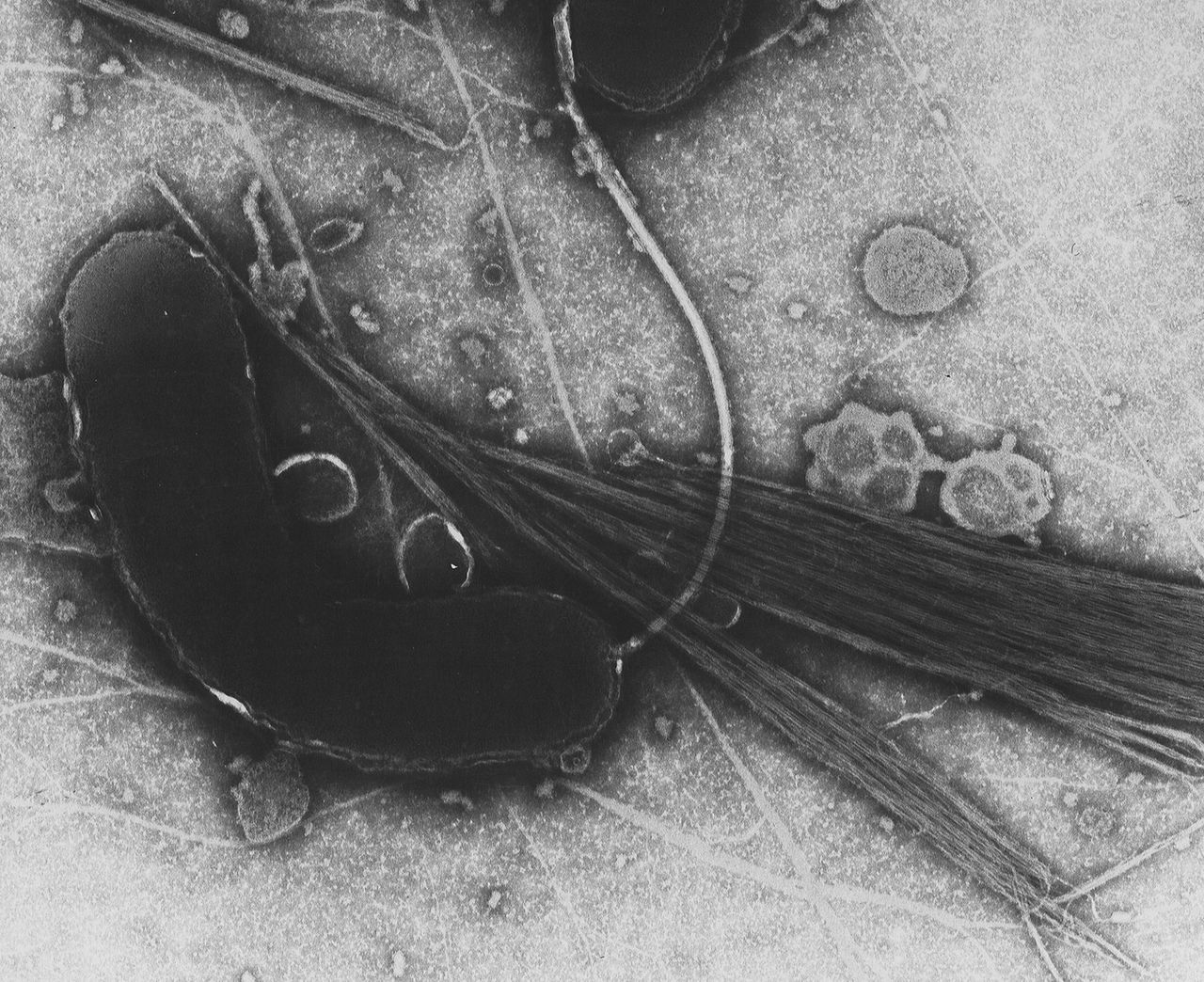
Figure 1. Transmission electron microscope image of Vibrio cholerae that has been negatively stained. Image attribution: this image by Tom Kirn, Ron Taylor and Louisa Howard of Dartmouth Electron Microscope Facility is in the Public Domain. With kind permission of Maxime Guinel de France, Dartmouth Electron Microscope Facility.

The V. cholerae bacterium is usually transmitted by the faecal-oral route, that is, people usually catch cholera by eating food or by drinking water that has been contaminated with human faeces containing V. cholerae (Sack et al 2004, Nelson et al 2009). Barriers to disease transmission include handwashing and hygiene, access to toilets, and clean drinking water (e.g. chlorination of stored water; Sack et al 2004, Nelson et al 2009). These barriers to transmission are often referred to as WASH, meaning ‘water, sanitation and hygiene’. Figure 2 summarises what is known about the transmission routes for the current pandemic lineage of V. cholerae, the 7PET lineage, which is the lineage of V. cholerae responsible for all major outbreaks and epidemics of cholera since the 1960s (Mutreja et al 2011, Mutreja & Dougan 2020).
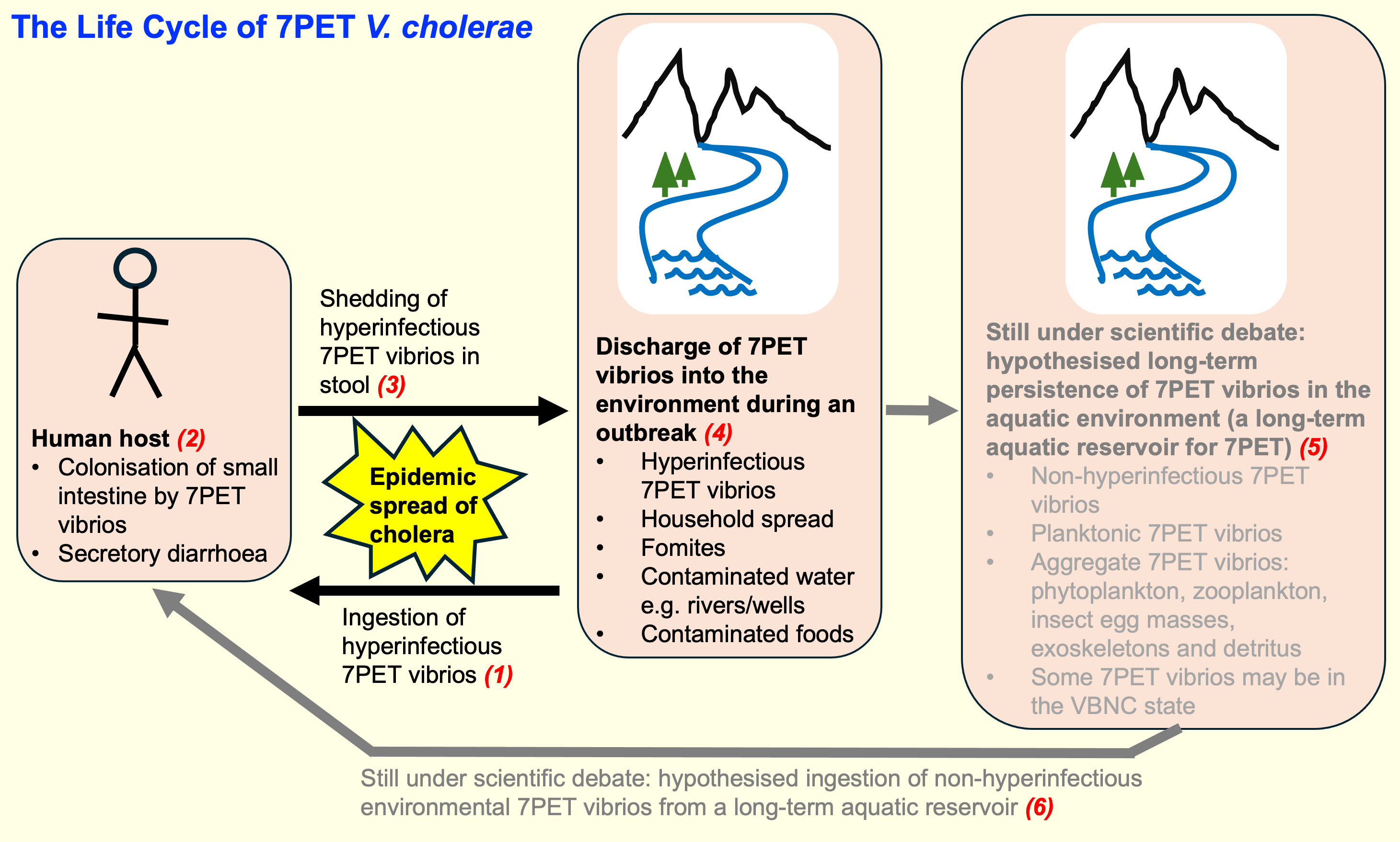
Figure 2. Amplification of transmission by human-to-human spread for the current pandemic lineage (7PET lineage) of V. cholerae. On ingestion of V. cholerae of the current pandemic lineage (7PET lineage) in contaminated food or water (1), the V. cholerae 7PET bacteria colonise the small intestine (2), multiply, secrete cholera toxin, and are then shed back into the environment by the host in diarrhoea (3). The V. cholerae 7PET bacteria shed in the stool are in a transient hyperinfectious state that serves to amplify the outbreak by promoting transmission to further human hosts (4). Some scientists have hypothesised that 7PET bacteria may persist for many months or even several years in aquatic environments (e.g. Colwell 1996, Alam et al 2007, Islam et al 2020, Mavian et al 2023) (5); however, the ability of 7PET to persist long-term in the environment (5) and to then seed new outbreaks (6) is still under scientific debate. VBNC: a ‘viable but non-culturable’ dormant state that many bacterial species enter under unfavourable conditions such as low temperature and low nutrient conditions (Lutz et al 2013). Image attribution: this image by Avril Coghlan is licensed under CC BY 4.0.
Cholera outbreaks typically occur in places where there is poor access to clean water and poor sewage infrastructure (Figure 3). These include low-income settings in which there is poor water and sanitation infrastructure, or places in which there is a humanitarian crisis (e.g. an earthquake or war) that has disrupted the water and sanitation infrastructure. Examples are Haiti, where there was a cholera epidemic from 2010-2019 which began shortly after a massive earthquake that occurred in 2010, and Yemen, which has suffered a cholera epidemic from 2016 up until the present during its ongoing civil war.
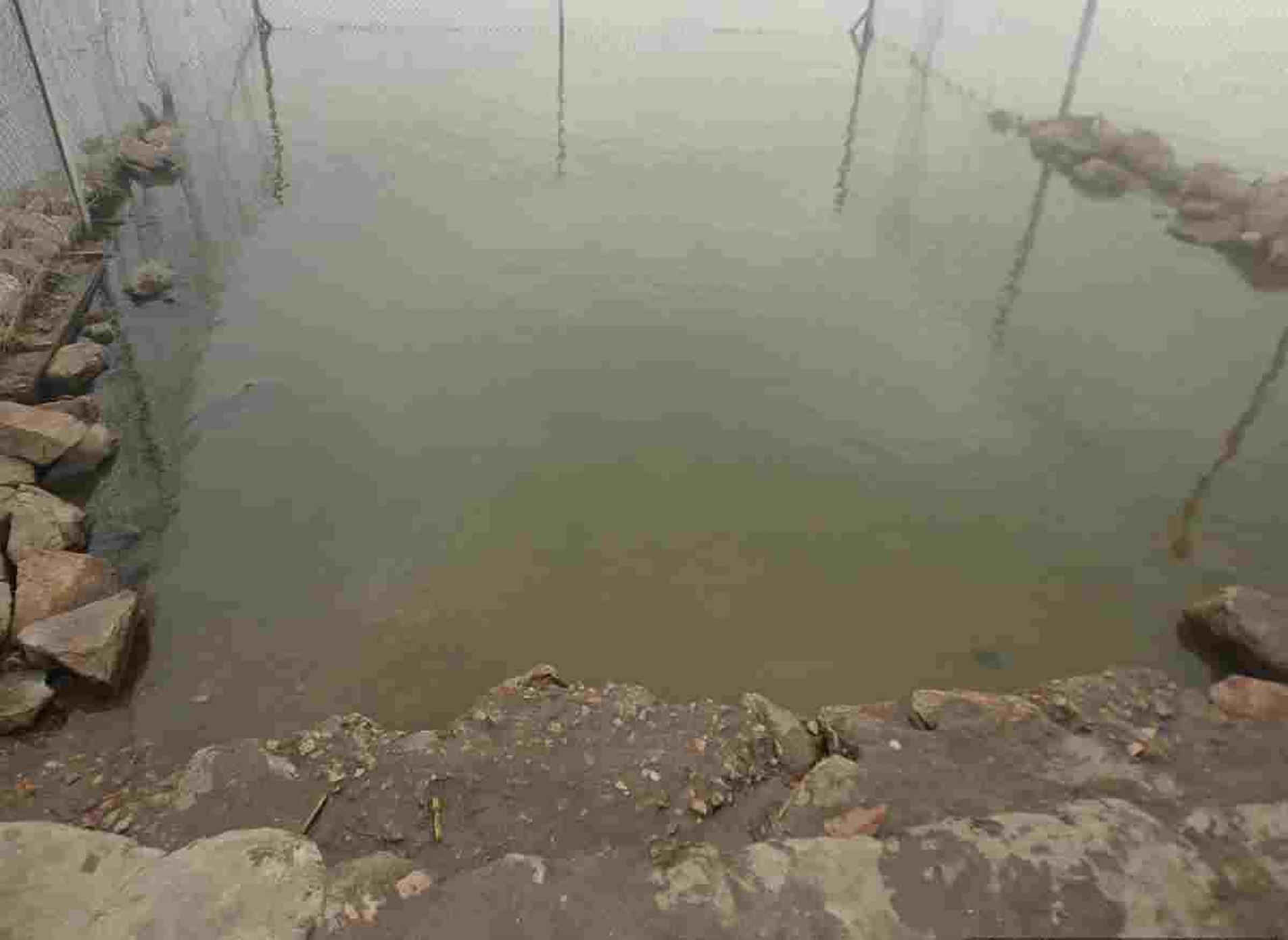
Figure 3. Water-collection site X on the shore of Lake Edward, Katwe Village, south-western Uganda. Water from this lake in Uganda was implicated in a cholera outbreak during June–July 2015. Image attribution: this image by Pande et al 2018 is licensed under CC BY 4.0.
Once ingested by a human host, the V. cholerae bacteria multiply in the human intestine. The bacteria attach to the epithelial cells of the intestine and release cholera toxin (abbreviated as Ctx, CTX, or CT; Figure 4). Cholera toxin binds to the intestinal epithelial cell surface, and stimulates the cells to secrete ions and water into the intestinal lumen, resulting in acute watery diarrhoea. Cholera toxin is therefore the key virulence factor of V. cholerae, and V. cholerae isolates that have the cholera toxin genes (genes ctxA and ctxB that encode the CtxA and CtxB proteins that make up the cholera toxin) and so produce cholera toxin are said to be ‘toxigenic’. Isolates of the current pandemic lineage (‘7PET lineage’) of V. cholerae are toxigenic.
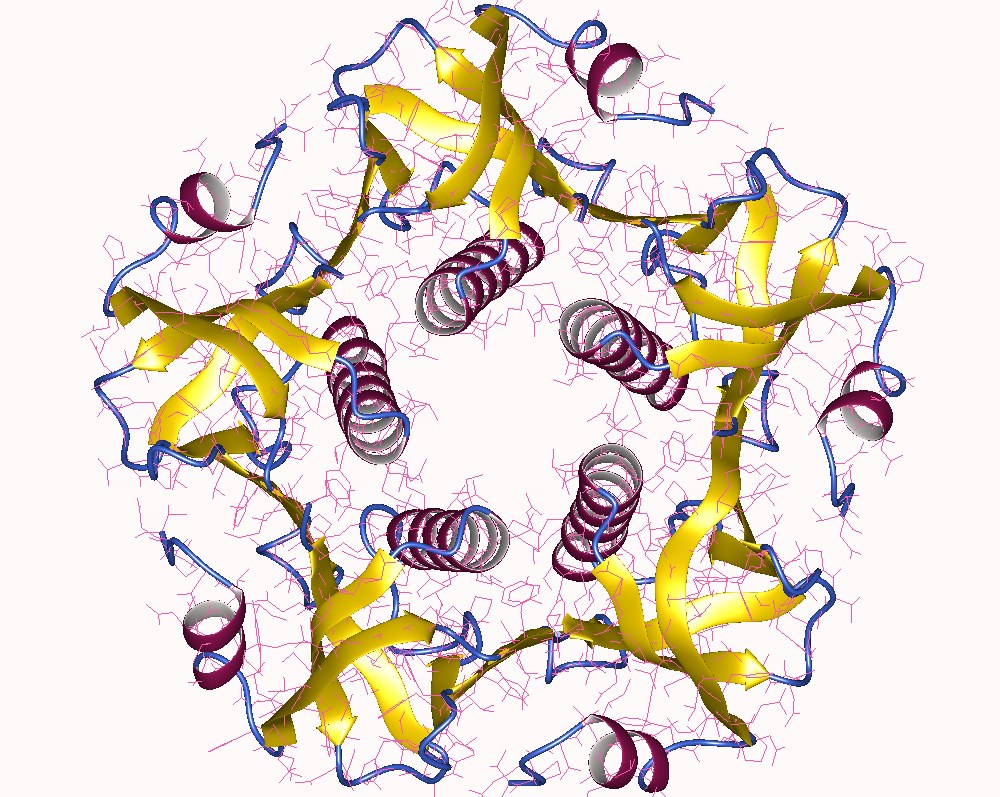
Figure 4. Cholera toxin B pentamer, Vibrio cholerae. Cholera toxin is a protein complex that consists of one CtxA protein bound to five CtxB proteins. This image shows the structure formed by the five CtxB proteins. Image attribution: this image was created by Wikipedia user Astrojan based on the CtxB protein structure deposited in the PDB database by E. A. Merritt & W. G. J. Hol, and is licensed under CC BY 4.0.

Note that V. cholerae is not the only pathogen that can cause acute watery diarrhoea (AWD); similar symptoms also be caused by other bacteria such as enterotoxigenic E. coli (ETEC).

Watch a video giving an overview of cholera, its spread and history by Médecins Sans Frontières (MSF) (15 minutes), and answer the questions below on the video.
Now answer these questions:
Q1. What percent of worldwide cholera cases are estimated to be reported by countries to the WHO each year?
Q2. Do most people who have been infected the currrent pandemic lineage of (7PET lineage) of V. cholerae show symptoms, or are most people asymptomatic?
You can see the answers on the Answers page for Module 1.
Epidemic and Non-epidemic Lineages of Vibrio cholerae
What types of domestic animals do people keep in your country? Is it chickens, dogs, goats, pigs, horses, or something else? You are probably familiar with the idea that each of these animals is just one species, but that there are many breeds of each of these animals. For example, all chickens belong to the same species (Gallus gallus), and two chickens of the same breed are more similar to each other genetically, and share a more recent common ancestor with each other, compared to two chickens of a different breed. In addition, two chickens of the same breed tend to share particular characteristics (e.g. colouring, size), and be quite different in those respects to chickens from another breed (Figure 5).
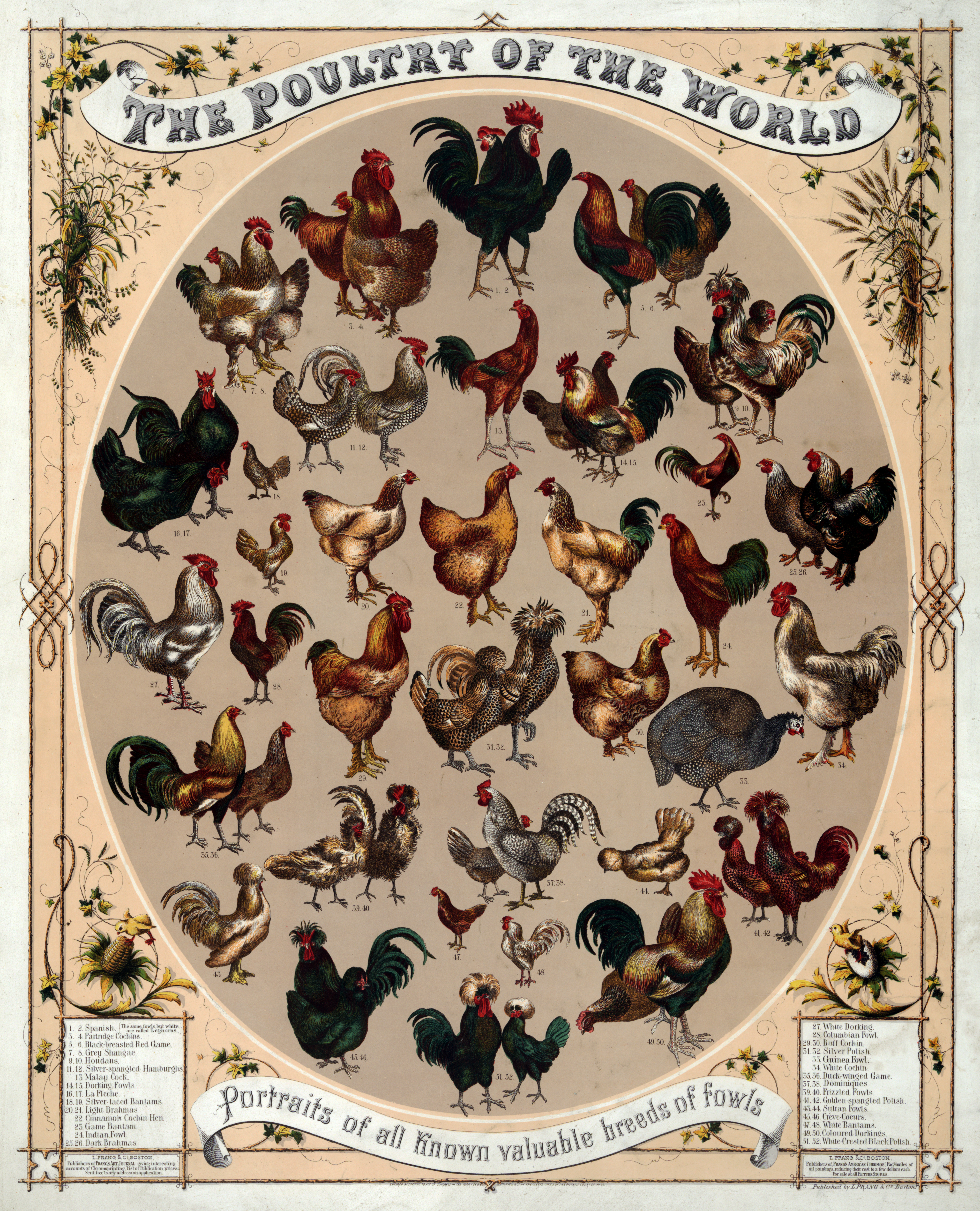
Figure 5. The poultry of the world. Portraits of all known valuable breeds of fowl. Image attribution: This image by by L. Prang & Co., Boston, is in the Public Domain.

Similar to breeds of chicken, there can be many lineages within a particular bacterial species. For a particular bacterial species, two isolates of one lineage are more similar to each other genetically, and share a more recent common ancestor with each other, compared to two isolates of different lineages. Isolates of the same lineage tend to share particular characteristics (e.g. ecological niche, metabolism, pathogenic potential).
Note that some people refer to bacterial lineages as ‘strains’, but we prefer here to use the term ‘lineages’, because the term ‘strain’ is also commonly used to refer to a single bacterial isolate that has been cultured over time in a laboratory. For example, for molecular biology studies of V. cholerae genetics and biochemistry in the laboratory, people often use the laboratory strain N16961, which was derived from an isolate collected in Bangladesh in 1975 (Heidelberg et al 2000). The N16961 laboratory strain belongs to the 7PET lineage of V. cholerae.
Vibrio cholerae is a very diverse species with many different lineages. A small subset of the lineages have been named, and are shown in Figure 6. There is only one lineage of V. cholerae which causes epidemic cholera at present, which is known as the ‘7PET’ lineage (Figure 6).
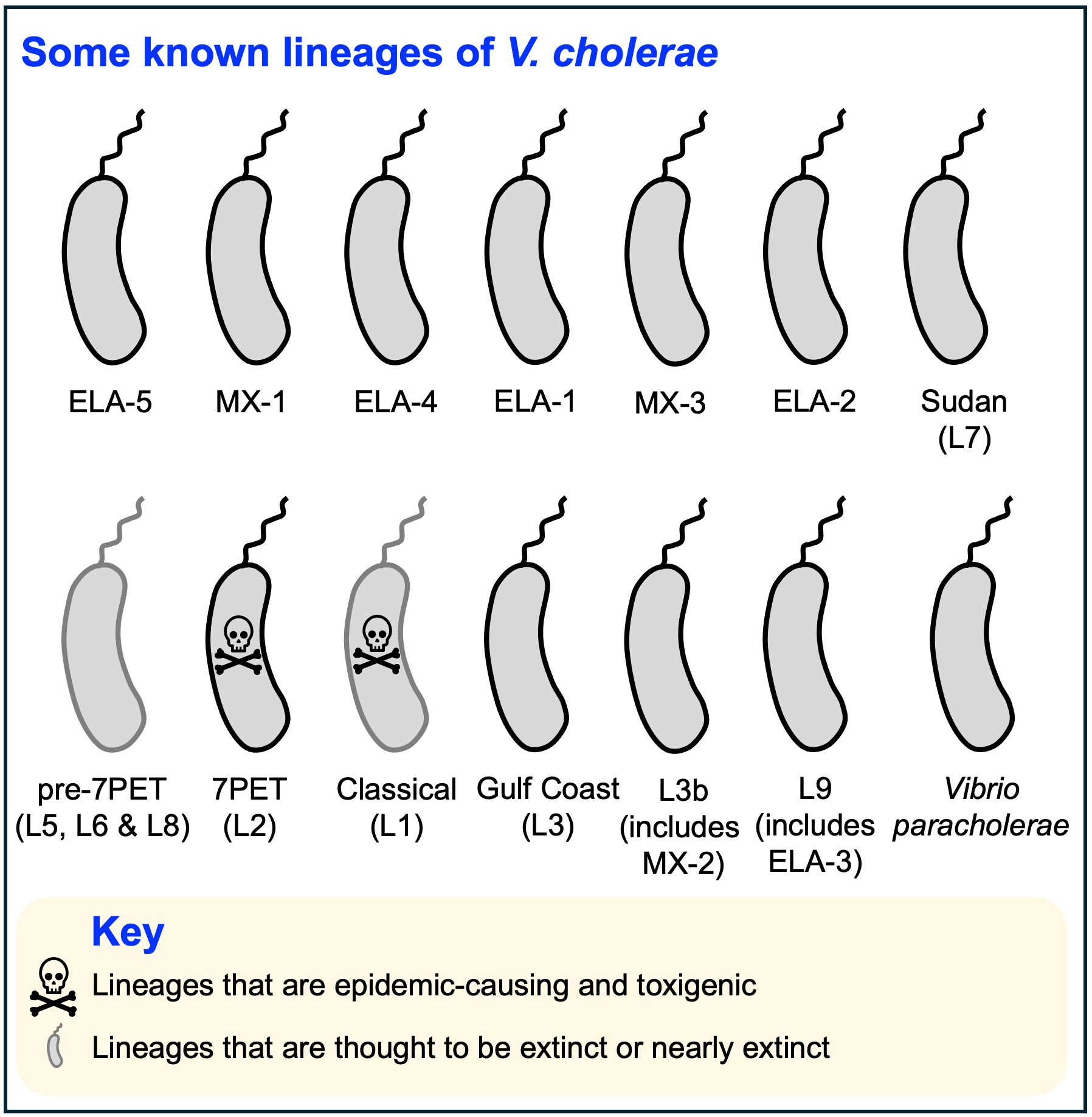
Figure 6. Some known lineages of V. cholerae that have been named. The current pandemic lineage of V. cholerae is the 7PET lineage, which has caused all the major outbreaks and epidemics of cholera since the 1960s. While this figure shows some named lineages of V. cholerae, is likely that there are many more lineages of V. cholerae that have not yet been named (Domman et al 2017). Vibrio paracholerae was originally thought to be a very diverged lineage of V. cholerae, but has recently been proposed to be a separate, closely related, species (Islam et al 2021). Image attribution: this image by Avril Coghlan is licensed under CC BY 4.0.
What do we mean when we say 7PET causes ‘epidemic cholera’? The word ‘epidemic’ is defined by the CDC (Centers for Disease Control and Prevention) as an unexpected increase in the number of disease cases in a specific geographical area; they say that an outbreak is defined in the same way but for a more limited geographic area (see the CDC website). In addition, the CDC define a ‘pandemic’ as ‘an epidemic that has spread over several countries or continents, usually affecting a large number of people’. Here, when we say 7PET causes ‘epidemic cholera’ or is ‘epidemic-causing’ or an ‘epidemic lineage’, we mean that 7PET can cause a very large increase in the number of cases of diarrhoeal illness caused by V. cholerae in a particular town/city/region over a relatively short period of time. We also refer to 7PET as a ‘pandemic lineage’ since it has caused all the major outbreaks and epidemics of cholera around the world since the 1960s.
Note that we will not attempt here to define exactly how many cases of acute watery diarrhoea you can see before you declare a cholera outbreak; for this we refer you to the WHO’s detailed technical guidance, in which they provide precise definitions of what they consider ‘a suspected cholera case’, ‘a confirmed cholera case’, ‘a suspected cholera outbreak’, ‘a probable cholera outbreak’, or ‘a confirmed cholera outbreak’ (see WHO 2023).
The 7PET lineage is an extremely infectious and virulent lineage of V. cholerae, which is epidemic-causing and which produces cholera toxin. 7PET appears to have evolved to become a human pathogen (Feng et al 2008, Chun et al 2009, Hu et al 2016, Mutreja & Dougan 2020). Because of the highly infectious nature of 7PET, a 7PET outbreak requires a rapid and large public health response to halt/reduce it, e.g. WASH, treatment centres, vaccination. Whole genome sequencing (WGS) can be a powerful tool to find out whether a new outbreak of diarrhoeal illness is caused by 7PET; we will be discussing the V. cholerae genome and WGS in module 1.4.
In addition to the epidemic-causing 7PET lineage, there are also many non-epidemic lineages of V. cholerae found around the world that do not cause epidemic cholera, but sometimes cause small outbreaks of mild diarrhoea. An example is lineage MX-2 (this is actually part of the lineage named ‘L3b’ in Figure 6). The vast majority of the non-epidemic lineages of V. cholerae do not produce cholera toxin, but isolates of some non-epidemic lineages, including some isolates of MX-2, have the genes encoding the cholera toxin (genes ctxA and ctxB, which we mentioned above) and so are predicted to produce cholera toxin (Domman et al 2017).
Over time, some lineages of V. cholerae have been named as they have been identified, but so far there is not a standard naming system for V. cholerae lineages. Some lineages were named after the geographical location where they were originally isolated, e.g. the MX-2 lineage was originally isolated in Mexico (Domman et al 2017) and the Sudan lineage was originally isolated in Sudan (Dorman & Thomson 2023) but in fact neither are restricted to those countries (Dorman & Thomson 2023; Figure 7 below). Similarly, the ELA-5 lineage was first isolated in Latin America (its name derives from ‘Endemic Latin American’; Domman et al 2017). On the other hand, some lineages such as 7PET and Classical are named after a phenotypic characteristic of those lineages called the biotype, which we will discuss in Module 1.2. Note that, confusingly, in some cases there are alternative names for the same lineage given by different authors; Mutreja et al 2011 assigned L-numbers (e.g. L1, L2, L3, etc.) to lineages, while Domman et al 2017 assigned names such as MX-1, MX-2 and ELA-5. We have shown some of the correspondences between these alternative names in Figure 6. This course will mainly focus on the current pandemic lineage, the 7PET lineage, so you don’t need to remember the names of the non-epidemic V. cholerae lineages, but just be aware that they exist.
The Geographic Distribution of V. cholerae and the Ecological Niche of Non-epidemic Lineages of V. cholerae
The species V. cholerae is distributed globally and, as mentioned above, it is a very diverse species with many different lineages. Figure 7 shows what is known about the global distribution of just two of the many lineages of V. cholerae.
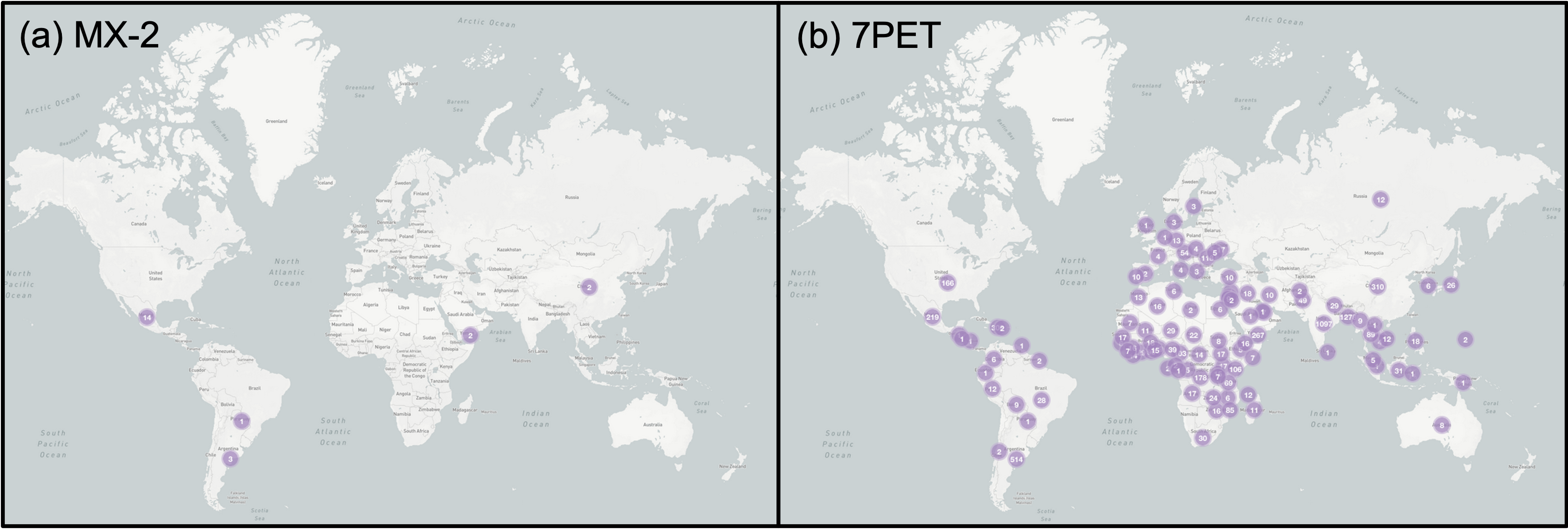
Figure 7. The global distribution of the bacterium V. cholerae, for two of the many different lineages of V. cholerae, (a) the non-epidemic lineage MX-2, and (b) the current pandemic lineage (7PET lineage). The numbers in purple circles indicate the number of V. cholerae isolates collected in each country, whose whole genomes have been included in the Vibriowatch database, the V. cholerae part of Pathogenwatch. The number of genomes for the 7PET lineage is far greater than that for MX-2, probably reflecting the fact that globally 7PET has caused a far greater number of outbreaks and far larger outbreaks than MX-2, which has led to relatively more sequencing of the 7PET lineage from the stool of sick people. Genomes were assigned to lineages using a software called PopPUNK, which we will discuss later in this course. Image attribution: this image by Avril Coghlan, based on a screenshot from the Pathogenwatch website, is licensed under CC BY 4.0. With kind permission of Corin Yeats of Pathogenwatch.
The non-epidemic lineages of V. cholerae such as MX-2 (see above) are often found in brackish water or in saltwater (e.g. in coastal regions or estuaries) in association with shellfish such as crabs, oysters and shrimp (Figure 6 above, Figure 8, Morris 1990, Morris 2003, Lutz et al 2013). However, non-epidemic lineages of V. cholerae have not only been found in brackish water or saltwater; non-epidemic lineages of V. cholerae have also been found in freshwater in inland rivers or freshwater lakes (Figure 6 above, Morris 1990, Lepuschitz et al 2019).
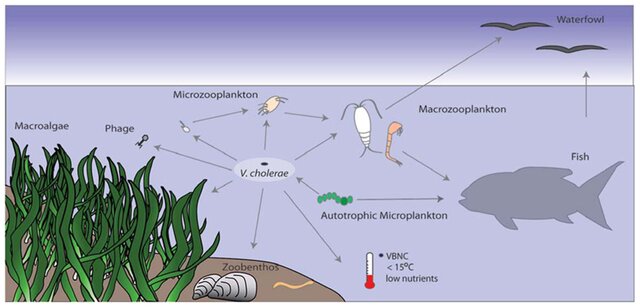
Figure 8. Vibrio cholerae interactions with other organisms and the environment. Non-epidemic lineages of V. cholerae such as the MX-2 lineage are part of the bacterioplankton in aquatic environments. The non-epidemic V. cholerae are under risk of predation by protozoa and bacteriophages (viruses). These non-epidemic V. cholerae can attach to other organisms such as phytoplankton, macroalgae, chitinous zooplankton, and gelatinous egg masses, which may provide sources of nutrients for the non-epidemic V. cholerae. Fish and birds feed on plankton and mussels that might harbour non-epidemic V. cholerae. Under unfavourable conditions, such as low temperature and low nutrient conditions, non-epidemic V. cholerae can enter a ‘viable but non-culturable’ (VBNC) dormant state. In contrast to the non-epidemic lineages of V. cholerae, as we mentioned above (see Figure 2 above), long-term persistance of 7PET in aquatic environments is a controversial scientific question and is still under active debate. Image attribution: this image by Lutz et al 2013 is licensed under CC BY 3.0.
Because non-epidemic V. cholerae are often associated with shellfish such as crabs, oysters and shrimp, in many coastal regions around the world, occasional small outbreaks of mild diarrhoeal illness are caused by eating shellfish that contains non-epidemic V. cholerae (Morris 1990, Morris 2003). However, non-epidemic lineages V. cholerae are also found in freshwater lakes and rivers, and indeed some human infections have been linked to exposure to river or lake water containing non-epidemic V. cholerae (Morris 1990, Lepuschitz et al 2019). As well as causing mild diarrhoeal illness, non-epidemic lineages of V. cholerae have also been isolated from a variety of extraintestinal infections, including wounds, ear, sputum, urine, and cerebrospinal fluid (Morris 1990, Kaper et al 1995, Morris 2003, Lepuschitz et al 2019).
Watch a video on risks from Vibrio cholerae in contaminated food and water (IAQ Video Network) (3 minutes), and answer the questions below on the video.
Now answer these questions:
Q3 In what part of the United States of America (USA) are there sometimes outbreaks of mild diarrhoeal illness caused by eating shellfish that contains non-epidemic lineages of V. cholerae? (Note that this video (unfortunately) does not distinguish between the epidemic and non-epidemic lineages of V. cholerae. It does however mention that consumption of shellfish containing V. cholerae can cause small outbreaks of diarrhoeal illness. These small outbreaks are almost always due to non-epidemic lineages of V. cholerae.)
You can see the answers on the Answers page for Module 1.
Diarrhoeal Illness Caused by Epidemic and Non-epidemic Lineages of V. cholerae
Globally the 7PET lineage has caused a far greater number of outbreaks and far larger outbreaks than non-epidemic lineages of V. cholerae. The 7PET lineage, which has caused the current cholera pandemic, and the Classical lineage, which caused a cholera pandemic in the early 1900s but is now thought to be extinct or almost extinct (Ramamurthy et al 2019, Figure 6), are the only known epidemic lineages of V. cholerae. The many other lineages of V. cholerae that we know about are not epidemic-causing, although they occasionally cause relatively small outbreaks of diarrhoeal illness in tens or (at most) a hundred or so people (Morris 1990). In contrast, 7PET is the only current V. cholerae lineage that causes large epidemics or pandemics of many thousands of cases, or even millions of cases as seen in the Yemen cholera epidemic that began in 2016 and continues to the present (Mutreja & Dougan 2020, Lassalle et al 2023).
Of the non-epidemic V. cholerae lineages, the two lineages that have caused the most cases of diarrhoeal illness since 2000 are thought to be lineages ‘L3b’ and ‘L9’ (Figure 6, Hao et al 2023). For example, these two non-epidemic lineages have caused several hundred cases of diarrhoeal illness in Hangzhou, China between 2001 and 2018 (Hao et al 2023, Figure 9). Lineage L3b has also been linked to relatively small outbreaks of diarrhoeal illness in South Africa (Smith et al 2021).
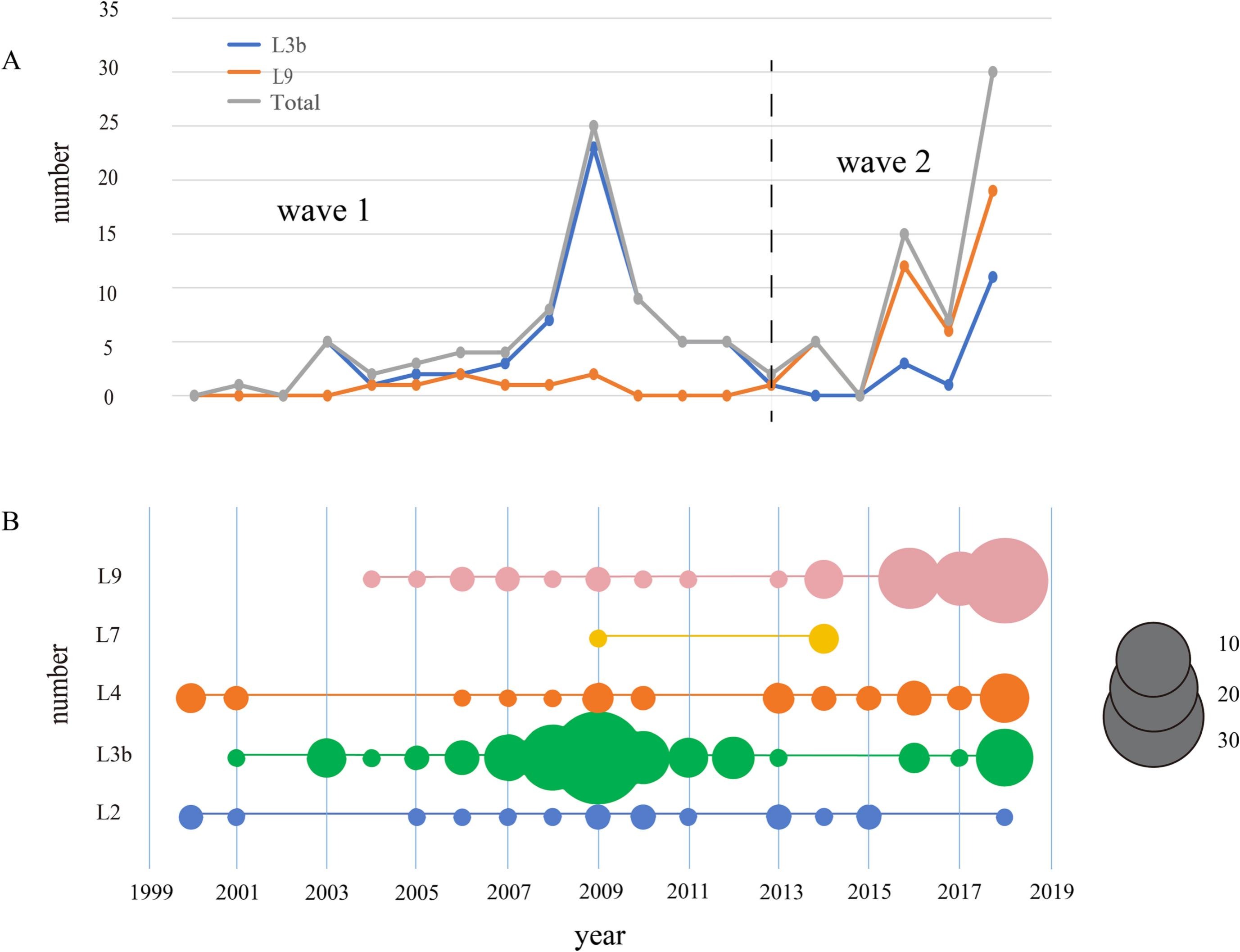
Figure 9. The distribution of Vibrio cholerae isolates in different lineages in Hangzhou, China from 2000 to 2018. (a) Cases of diarrhoeal illness per year caused by the L3b and L9 lineages of V. cholerae in Hangzhou, China, between 2000 and 2018. The grey lines represent the total number of diarrhoeal cases caused by L3b and L9 together, the blue lines represent the number of cases caused by L3b, and the orange lines the number of cases caused by L9. (b) The number of V. cholerae isolates in Hangzhou, China belonging to the L3b, L9 and some other lineages (L2 is 7PET and L7 is Sudan lineage; Figure 6), in each year from 2000 to 2018. The sizes of circles indicate the number of isolates belonging to each lineage, in each year. Image attribution: this image by Hao et al 2023 is licensed under CC BY-NC-ND 4.0.
Note that L3b and L9 are alternative names for the lineages labelled MX-2 and ELA-3, respectively, shown in Figure 6 above (strictly speaking, MX-2 is a part of L3b and ELA-3 is a part of L9). Don’t worry about remembering the names of these non-epidemic lineages; the key point here is that non-epidemic lineages of V. cholerae exist, but cause far smaller outbreaks compared to 7PET.
Indeed, compared to cholera outbreaks/epidemics caused by 7PET, outbreaks caused by L3b/L9 and other non-epidemic V. cholerae lineages are far smaller and in general cause relatively milder diarrhoeal illness (Morris 1990, Morris 2003). In contrast, the cholera epidemic in Yemen that began in 2016 (and is still continuing) caused approximately 2.5 million suspected cholera cases and appproximately 4000 deaths from 2016-2020 (Ng et al 2020, WHO 2020; Figure 10). Furthermore, during huge cholera epidemics such as that in Yemen, and in Latin America in the early 1990s, the vast majority of cholera cases have been found to be due to 7PET, and a relatively small minority (e.g. 8% in Yemen; Lassalle et al 2023) were due to non-epidemic lineages (Figure 10; Domman et al 2017, Lassalle et al 2023). It is likely that during such huge epidemics caused by 7PET such as that in Yemen, increased surveillance of diarrhoeal cases leads to some cases caused by non-epidemic lineages also being detected.
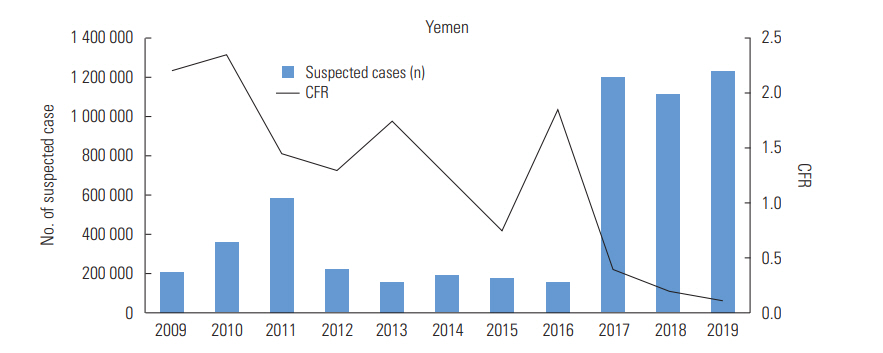
Figure 10. Total number of suspected cholera cases in Yemen and associated case-fatality rate (CFR) from 2009 to 2019. Whole-genome sequencing of isolates from the Yemen epidemic has revealed that the majority (92%) of clinical isolates in Yemen belonged to the 7PET lineage (Lassalle et al 2023). Image attribution: this image by Ng et al 2020 is licensed under CC BY-NC 4.0.
Due to its high virulence (ability to cause acute watery diarrhoea by producing cholera toxin) and epidemic-causing/pandemic-causing nature, the 7PET lineage is of major global public health concern, posing a particularly high risk in locations with humanitarian disasters in which sanitation and healthcare systems are disrupted (as occurred in Haiti and Yemen). In contrast, non-epidemic lineages of V. cholerae cause relatively much smaller outbreaks and are not epidemic-causing/pandemic-causing. Therefore our focus in this course will be primarily on 7PET, and not the non-epidemic lineages of V. cholerae. However, the non-epidemic lineages are of local public health concern in regions in which they are observed to relatively frequently cause isolated clinical cases or even outbreaks, e.g. beside the Gulf of Mexico in the USA (Haley et al 2014), beside the Austrian lakes (Lepuschitz et al 2019), or outbreaks caused by the L3b/L9 lineages in China (Hao et al 2023). Furthermore, some epidemiologists are monitoring the non-epidemic lineages of V. cholerae, in case at some point in future they do evolve to be become far more infectious and/or far more virulent (e.g. Hao et al 2023, Smith et al 2021).
Cholera Vaccines
Currently there are three oral cholera vaccines (OCVs) that are pre-qualified by the WHO: Dukoral®, Shanchol™, and Euvichol® (WHO 2017), which means that they can be purchased by United Nations agencies, such as Unicef and Gavi, the Vaccine Alliance (Holmgren 2021). These are complementary to other key cholera control measures such as improving access to clean potable water, adequate sanitation and promotion of good water, sanitation and hygiene (WASH) practices (WHO 2017). These vaccines all require two doses for full protection. Shanchol™ and Euvichol® are the vaccines available for mass vaccination campaigns through the Global OCV Stockpile, which is supported by Gavi (see the WHO website). Shanchol™ and Euvichol® are basically the same vaccine produced by two different manufacturers (see the WHO website). Two doses of Shanchol™ and Euvichol® provide protection for 3 years, while a single dose provides protection for a shorter period (see the WHO website, WHO 2017, Holmgren 2021). In the last few years there has unfortunately been a global shortage of cholera vaccine, so the global stockpile of OCV must be very carefully managed.
Watch this interview in 2021 during the COVID-19 pandemic with Dr Firdausi Qadri, a leading cholera researcher who works in the International Centre for Diarrhoeal Disease and Research, Bangladesh (ICDDR,B), interviewed by medical doctor and scientist Dr Shamim Sinnar (24 minutes).
Watch this talk in 2022 by Dr Tedros Adhanom Ghebreyesus, Director General of the World Health Organization, on cholera vaccination and the global shortage of OCV (2 minutes).
Read or listen to this article written in 2024 by Dr Jan Holmgren, who developed the world’s first effective oral cholera vaccine, on the latest developments in cholera vaccines.
Now answer these questions:
Q4. If you suffer severe cholera, how long are you protected for (ie., protection from natural infection, rather than vaccination)?
Q5. What is the efficacy of the current oral cholera vaccines?
Q6. What are the names of two second-generation oral cholera vaccines that have recently been launched?
You can see the answers on the Answers page for Module 1.
Brief Summary
The key take-home messages of this chapter are:
Cholera, a disease characterised by acute watery diarrhoea, is caused by ingestion of Vibrio cholerae
Cholera toxin is the most important virulence factor of V. cholerae; cholera toxin triggers acute watery diarrhoea
V. cholerae is distributed globally, and is a very diverse species with many different lineages
At present there is only one lineage that causes pandemic/epidemic cholera: 7PET, an extremely infectious and virulent lineage
Practically all 7PET isolates have the genes that encode cholera toxin (genes ctxA and ctxB)
A 7PET outbreak requires a rapid and large public health response to halt/reduce it, e.g. WASH, treatment centres, vaccination
Whole genome sequencing (WGS) can be used to determine whether a new outbreak of diarrhoeal illness is caused by 7PET
Vibriowatch
In later modules of this course, you will learn how to carry out bioinformatics analyses using Vibriowatch, as well as other bioinformatics tools. If you already have cholera genomic data to analyse, and want to get going quickly, you may also be interested in our Vibriowatch tutorial.
Contact
I will be grateful if you will send me (Avril Coghlan) corrections or suggestions for improvements to my email address alc@sanger.ac.uk
Acknowledgements
Contributors to this course: Avril Coghlan, Matt Dorman, Ismail Bashir, Anne Bishop, Amber Barton, Stephanie McGimpsey, Jolynne Mokaya, Nisha Singh, Nick Thomson.